6th
Mar
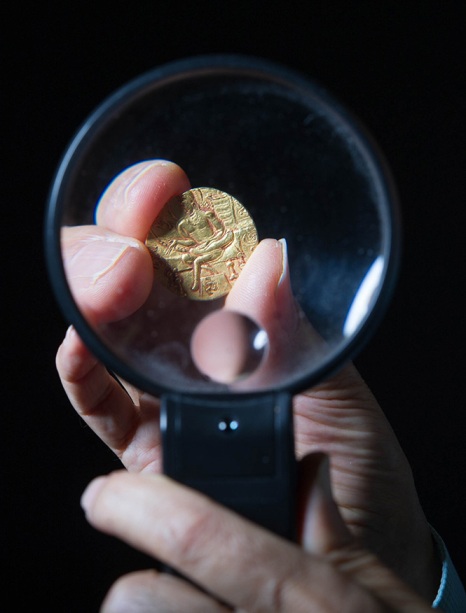
The Importance of Coin Collection: Preserving History Through Numismatics
Coin collecting, also known as numismatics, is much more than a hobby. It is a fascinating journey through history, culture, economics, and art. For centuries, coins have served as an essential part of human civilization, reflecting the political power, cultural identity, and economic conditions of their time. Today, collectors, historians, and enthusiasts around the world preserve these small yet powerful artifacts to keep history alive.
Websites like Royal Cooch Behar Coin Museum (https://www.royalcoochbehar.com/ ) play an important role in promoting the appreciation of historical coins and educating people about the rich legacy associated with them.
In this blog, we will explore why coin collection is important, how it benefits society, and why more people should take interest in this rewarding hobby.
1. Coins as Historical Documents
Every coin tells a story. Unlike written documents that may deteriorate or be lost, coins often survive for centuries, carrying valuable historical information.
-
Coins typically display:
- Names of kings, emperors, or rulers
- Dates and minting locations
- Religious symbols and cultural motifs
- Political messages and national identity
2. Coins Reflect Culture and Art
Coins are not just currency; they are also small pieces of art. The designs on coins often represent the culture, traditions, and beliefs of the society that produced them.
-
Different coins feature:
- Religious symbols
- National emblems
- Mythological figures
- Portraits of rulers
- Important historical events
Ancient coins often display intricate craftsmanship, while modern coins celebrate national achievements and important personalities.
By preserving coins, collectors help protect these artistic and cultural expressions.
3. Coin Collecting Encourages Education
Coin collecting is widely considered an educational hobby. It naturally encourages learning about multiple subjects such as:
- History
- Geography
- Economics
- Politics
- Art and design
For students and young collectors, coins provide a unique way to learn about the world.
For example, a collector might ask:
- Who was the ruler on this coin?
- Which country issued it?
- What historical event is represented on the coin?
- What metal was used to make the coin?
This curiosity leads to deeper knowledge and research.
4. Understanding Economic History
Coins are important sources for studying economic history.
-
By analyzing coins, historians can understand:
- Trade routes and commercial activities
- Availability of metals like gold, silver, and copper
- Economic prosperity or decline
- Monetary systems used in different civilizations
For instance, a reduction in precious metal content in coins may indicate economic challenges or inflation during that period.
Therefore, coins are valuable evidence for historians and economists studying the development of societies.
5. Rare Coins Can Have Significant Value
Another reason many people become interested in coin collecting is the potential value of rare coins.
-
The value of a coin depends on several factors:
- Rarity
- Age
- Historical significance
- Condition (grade)
- Demand among collectors
For instance, a reduction in precious metal content in coins may indicate economic challenges or inflation during that period.
Therefore, coins are valuable evidence for historians and economists studying the development of societies.
6. Coin Collecting Develops Valuable Skills
Numismatics helps develop several important skills such as:
-
The value of a coin depends on several factors:
- Research and analytical thinking
- Attention to detail
- Patience and discipline
- Historical understanding
- Demand among collectors
Collectors often spend years studying different coin varieties, mint marks, and historical contexts.
This intellectual aspect makes coin collecting a deeply rewarding hobby.
7. The Role of Coin Museums
Coin museums play an essential role in preserving and displaying historical coins.
-
They help:
- Protect rare coins from damage or loss
- Educate the public about history and numismatics
- Inspire new collectors and researchers
- Promote regional heritage
The Royal Cooch Behar Coin Museum is an example of an initiative dedicated to preserving historical coins and promoting numismatic awareness.
By showcasing coins from different eras, such museums help visitors understand the rich historical and cultural legacy of coinage.
8. Coin Collecting Builds Communities
Coin collecting also brings together people who share a passion for history and numismatics.
-
Collectors often participate in:
- Coin exhibitions
- Numismatic societies
- Online forums
- Auctions and trade fairs
These communities allow collectors to exchange knowledge, buy and trade coins, and collaborate on research projects.
Such interactions help keep the hobby alive and growing.
9. Inspiring Future Generations
In today's digital age, many historical artifacts are forgotten or overlooked. Coin collections remind us that history is not just something we read about—it is something we can see, study, and hold in our hands.
Encouraging young people to explore coin collecting can spark interest in history, archaeology, and cultural heritage.
Museums and educational platforms play a vital role in inspiring future generations to preserve these valuable historical objects.
Conclusion
Coin collecting is far more than a hobby—it is a way to connect with history, preserve cultural heritage, and promote education.
Each coin represents a unique moment in time, reflecting the rulers, cultures, and economic systems of the past. By collecting and studying coins, we keep these stories alive for future generations.
Institutions like the Royal Cooch Behar Coin Museum contribute greatly to preserving this heritage and spreading awareness about numismatics.
Whether you are a beginner or an experienced collector, the world of coins offers endless opportunities for discovery, learning, and appreciation of history.
Trending Post
